


DCTA Awardees
2025: Victoria Grieve
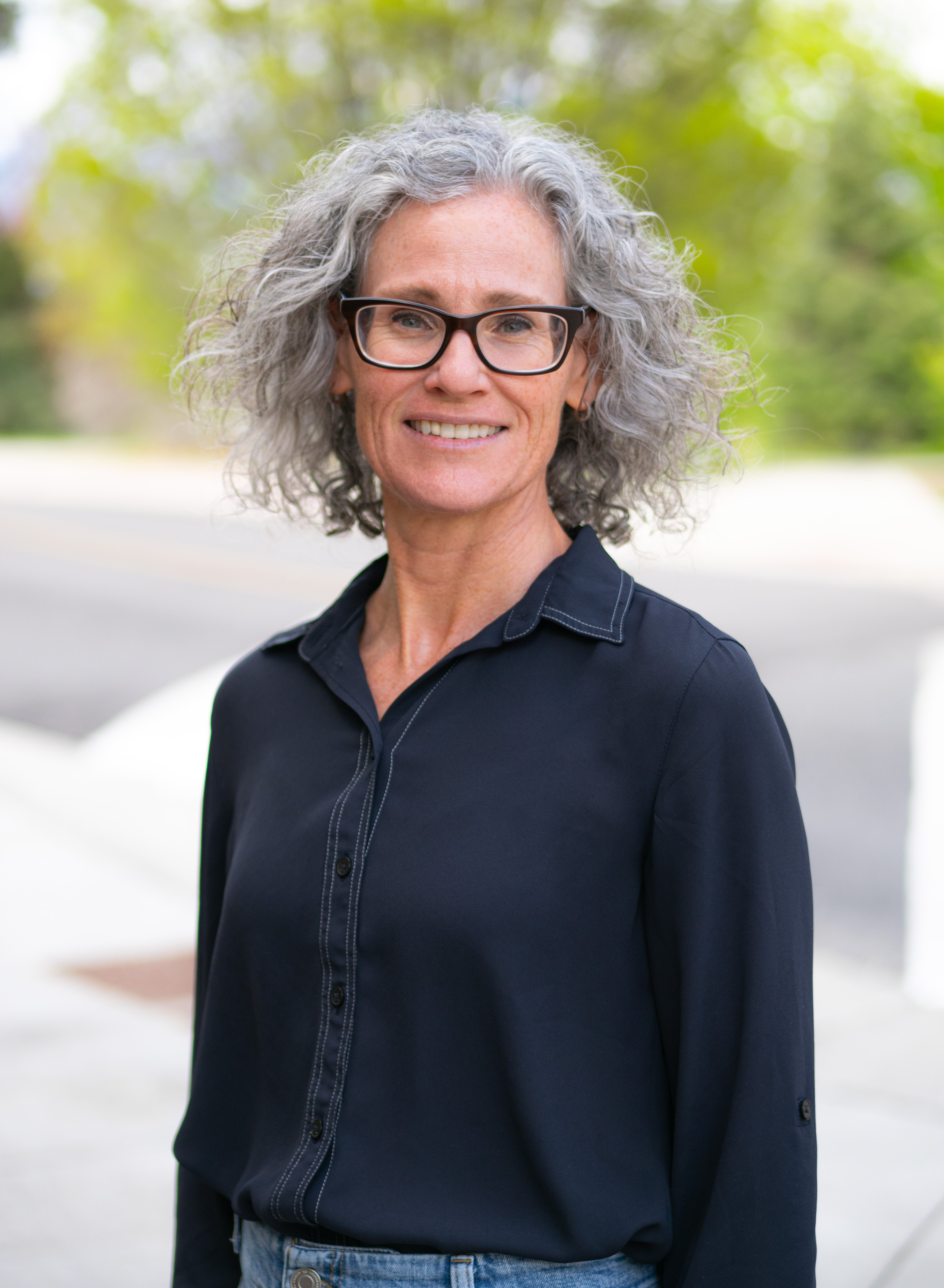
Victoria Grieve is a history professor at Utah State University whose published work focuses on labor, culture and childhood. Grieve's research at the MSU Library focused on the history of labor in Yellowstone National Park, a topic with surprisingly little extant scholarship.
Dr. Grieve presented her work to MSU graduate students, faculty, and the public in a seminar hosted by the Ivan Doig Center and is publishing that same material as an article.
2024: Greg LeDonne
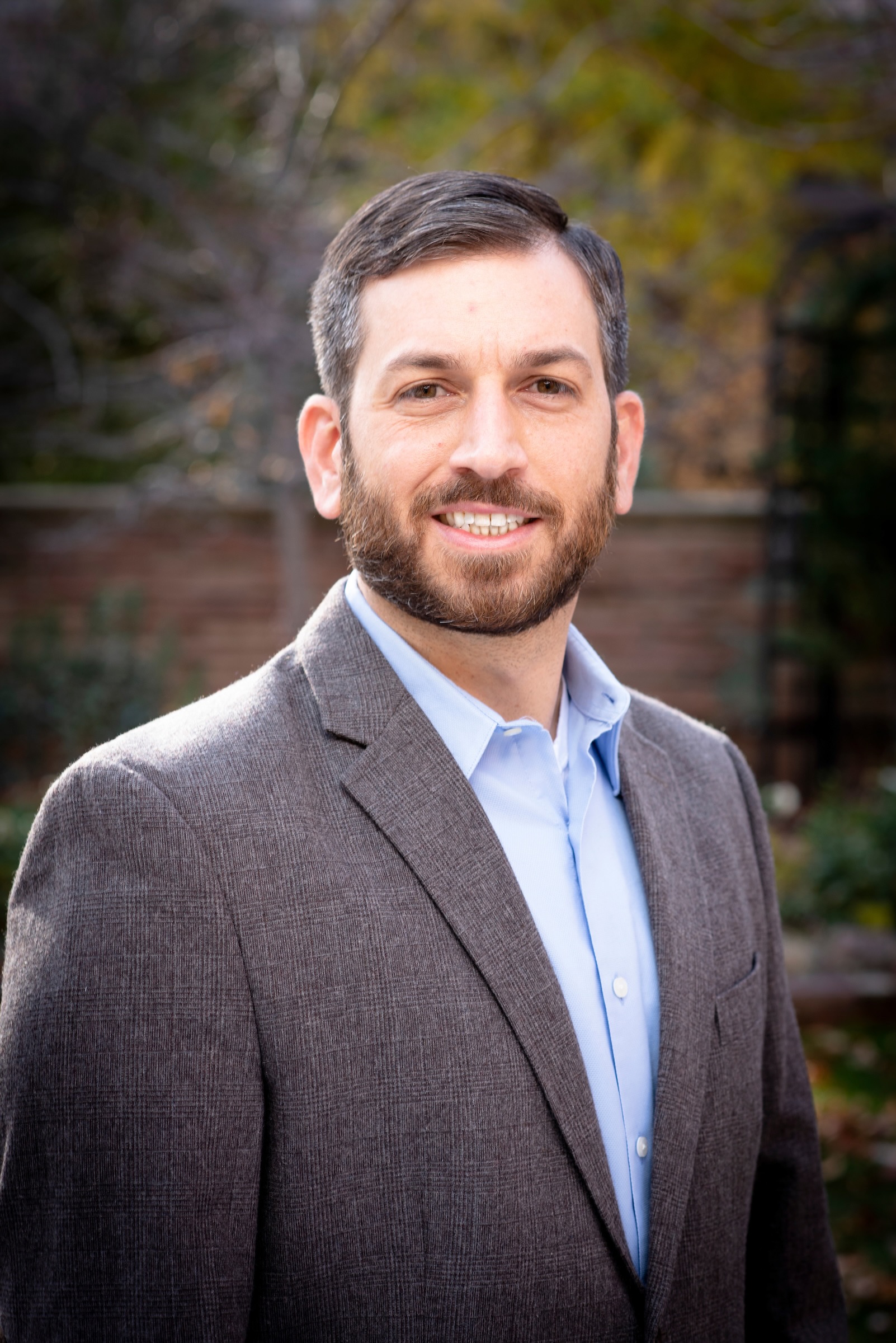
Greg LeDonne is a fourth-year doctoral candidate in the Department of History at the University of Colorado Boulder and an attorney. LeDonne’s research at the MSU Library supported his dissertation on the concept of “rewilding” — an effort to increase biodiversity and restore the natural processes of an ecosystem which typically involves reducing or ceasing human activity. He suggests that rewilding is not a new idea in environmental history, but rather one that already informs present-day decision making by nonprofits, government agencies and individuals.
He presented his findings to MSU graduate students in a seminar hosted by the Ivan Doig Center and at the annual meeting of the American Society for Environmental History, both in April 2025.
2023: Dr. Antonie Dvorakova
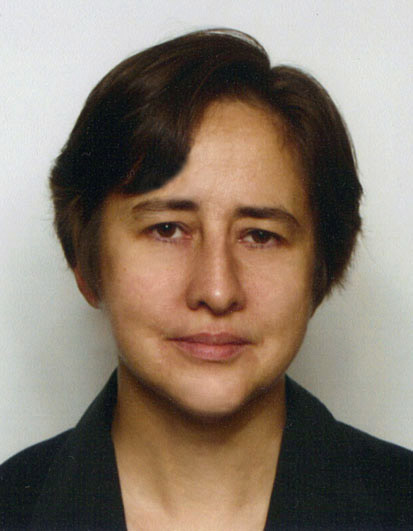
Antonie Dvorakova, a fellow at the Palacky University Olomouc in the Czech Republic,utilized the collections of MSU Library to continue her decades of work with the Northern Cheyenne nation, working with tribal elders on her findings in the collections.
Dr. Dvorakova is currently a Fellow at the Palacky University Olomouc, where she conducts research on diversity, equity, and inclusion in education and employment in the United Kingdom and Czech Republic. She holds a Ph.D from the University of Chicago in Cultural Psychology.
2022: Dr. Daniel T. Gresham
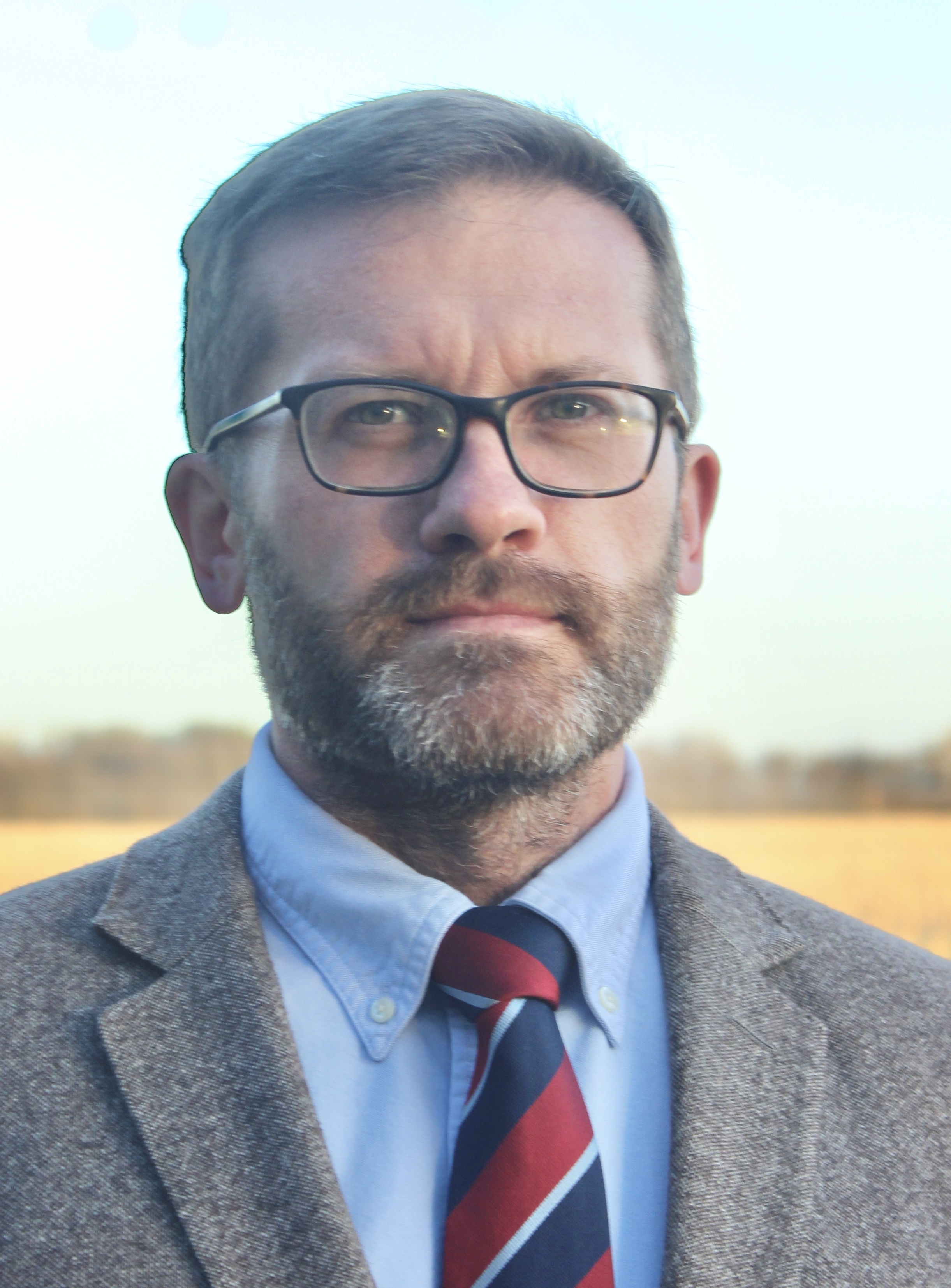
Dr. Daniel T. Gresham, a professor in the Department of Humanities at St. Mary’s College in Kansas, used the MSU Library’s substantial agricultural holdings to provide ranchers' and university scientists' perspectives for his book project that explores the development and modernization of the beef industry from World War I to 1933. That book,Cattle Cartel: How Big Cattlemen and Packers Harnessed the Meat Industry, 1916-1933, will be published by the University of Nebraska Press.
2021: Richard Maska
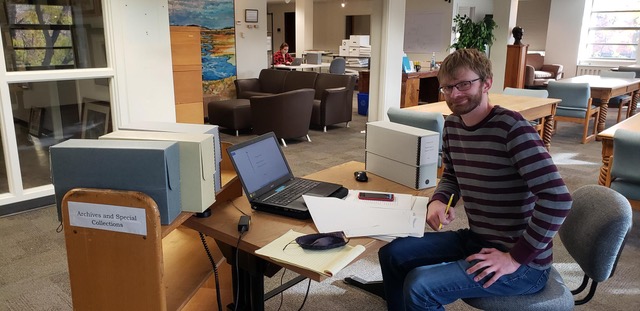
Richard Maska was a PhD student at the University of New Mexico when he received the first DCTA award in 2021.
"My research at the Special Collections of Montana State University was orientated around two immediate projects and my long term dissertations goals. The first examines the cooperative efforts of the U.S. Army and Canadian North-West Mounted Police to surveil and control the U.S.-Canada border in the northern Great Plains. The second analyzes the intersection of allotment and irrigation on northern Montana Indian reservations through an analytical lens commonly applied to late-twentieth century global economic development projects."